 2019-12-19
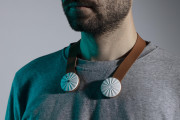
École polytechnique fédérale de Lausanne (EPFL) together with Geneva School of Art and Design (HEAD – Genève) developed a wearable sensor that measures how much light an individual is exposed to along with the spectral resolution of that light.
The wearable sensor, named “Spectrace,” can detect the amount of light one person receives by being put around the neck like a pair of headphones or attached to an item of clothing with a magnetic pin.
(Image: EPFL)
Scientists have taken a growing interest in how a shortage ...
Continue reading →
 2018-11-19
A new study published in the European Journal of Preventative Cardiology reported that exposure to blue light would decrease blood pressure and reduce the risk of developing cardiovascular disease.
In previous studies, it is shown that UV light can help the skin to release nitric oxide and decrease blood pressure. Researchers from the University of Surrey and Heinrich Heine University Dusseldorf have collaborated with Philips to learn whether body exposure to blue light also has the same effect as visible blue light is not carcinogenic compared to UV light.
(Image: ...
Continue reading →
 2015-10-26
A world-first study by Queensland University of Technology's (QUT) Sleep in Early Childhood Research Group has revealed pre-schoolers exposed to more light earlier in day tend to weigh more.
Continue reading →

 2019-12-19
 2018-11-19
 2015-10-26


