Seaborough is a nanoscience and nanotechnology business focused on unlocking the untapped potential of luminescent nanomaterials. The company is dedicated to turning bold scientific ideas into breakthrough applications through R&D, commercialization, and licensing of nano-engineered luminescent and lighting solutions. By synthesizing nanophosphors with adjustable sizes—ranging from several microns down to less than 20 nanometers—Seaborough ensures consistent material performance across applications, especially for the automotive headlight sector. TrendForce had the honor of interviewing Seaborough’s CEO/CTO, Dr. Marie Anne van de Haar, to discuss the technology's technical advantages and the company’s strategic vision.
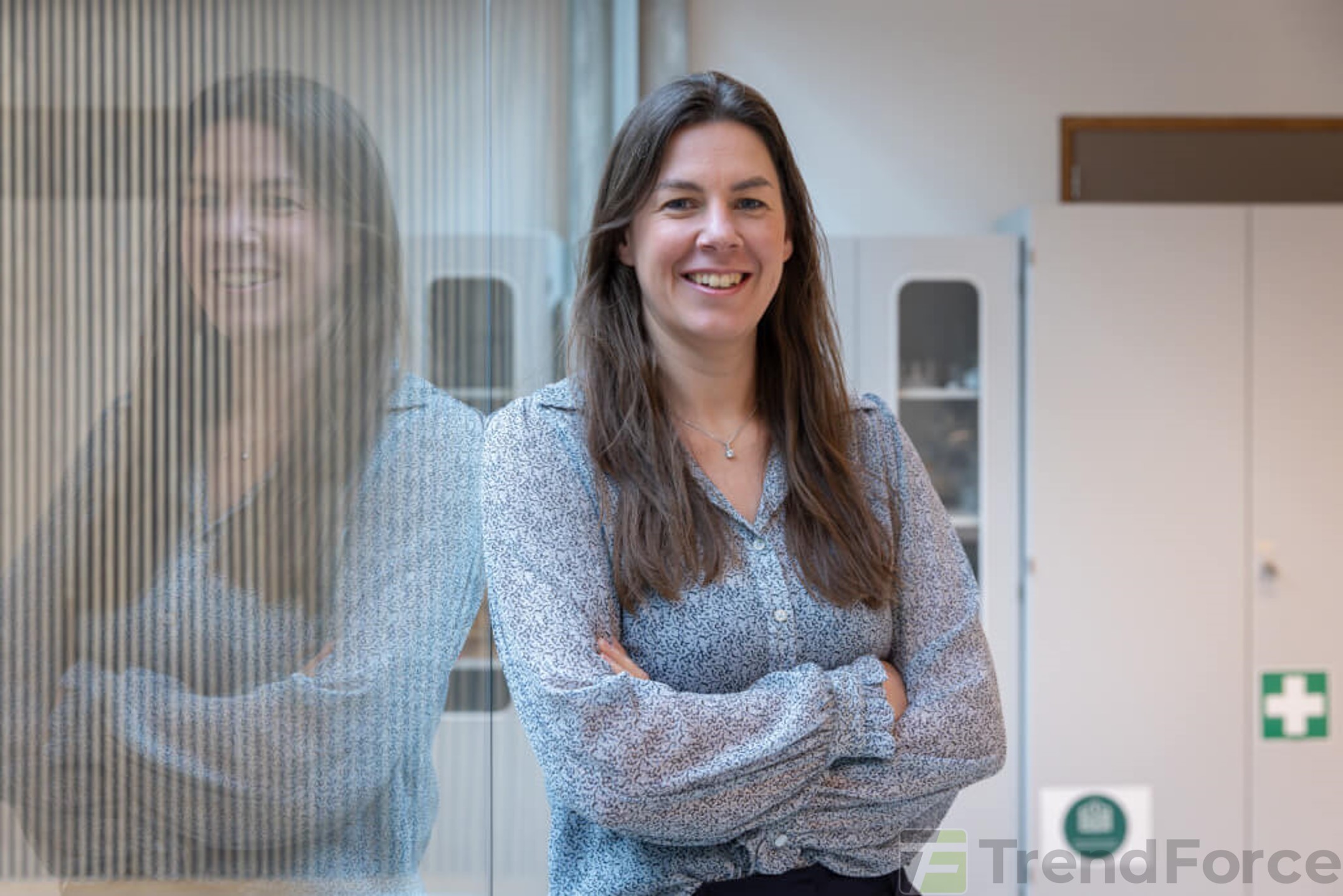
Caption: Marie Anne van de Haar, CEO/CTO at Seaborough
Dr. van de Haar highlighted that Seaborough’s current focus is on translating its nanotechnology expertise into practical applications, with the aim of delivering consistent material performance across different use cases. This approach supports the development of tailored solutions for demanding applications, including automotive lighting.

To address emerging industry challenges, Seaborough is developing Crystalight®. Rather than relying on conventional solid-state production followed by particle-size screening, Seaborough uses a solution-based synthesis route. This enables the company to target smaller YAG particle sizes with tighter size distributions, improving compatibility with thin phosphor layers and enabling greater control over optical performance in high-resolution lighting architectures. While standard YAG phosphor particles in the general lighting market measure between 5 and 30 µm. Seaborough’s Crystalight® technology can produce YAG nanophosphor particles down to 20 nm, but mostly focuses on the 1–5 µm range.
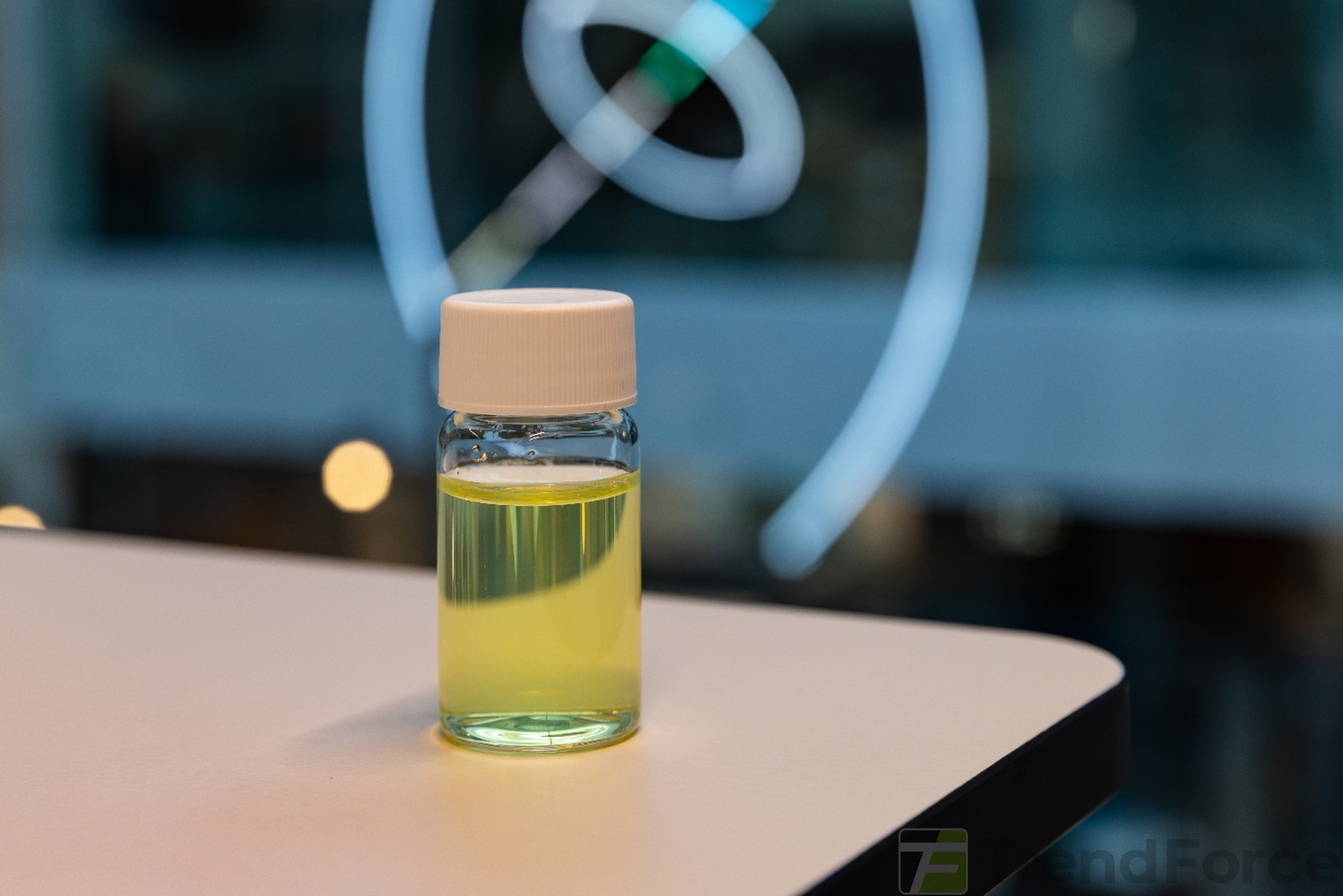
Caption: Seaborough’s Crystalight®
Dr. van de Haar emphasized that the Crystalight® solution is particularly well-suited for Adaptive Driving Beam (ADB) headlights, especially Matrix LED and Micro LED solutions. By utilizing smaller particle sizes, manufacturers can achieve thinner phosphor layers and designs that result in significantly lower optical crosstalk.
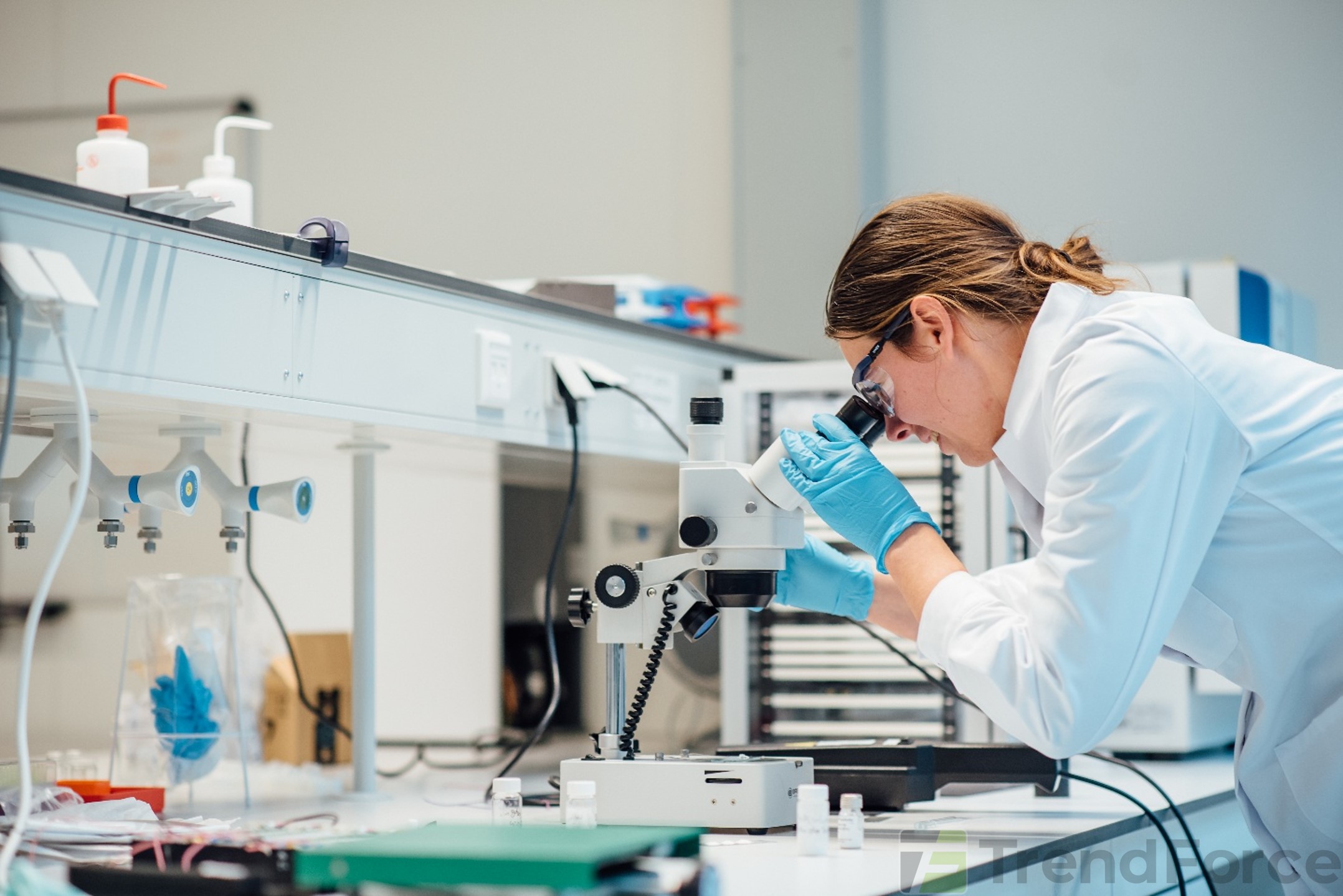
With Crystalight® now progressing toward the Minimum Viable Product (MVP) stage, Seaborough is moving from material development to application validation. The company is currently scaling up material development in-house and plans to offer small-batch sample quantities soon.Dr. van de Haar noted that final product specifications will be confirmed by 1Q27, following sampling and discussions with leading headlight LED manufacturers. Looking ahead, additionally, the company plans to leverage the combined advantages of Crystalight® technology and nano-ceramic substrates/films to develop products with higher thermal conductivity.
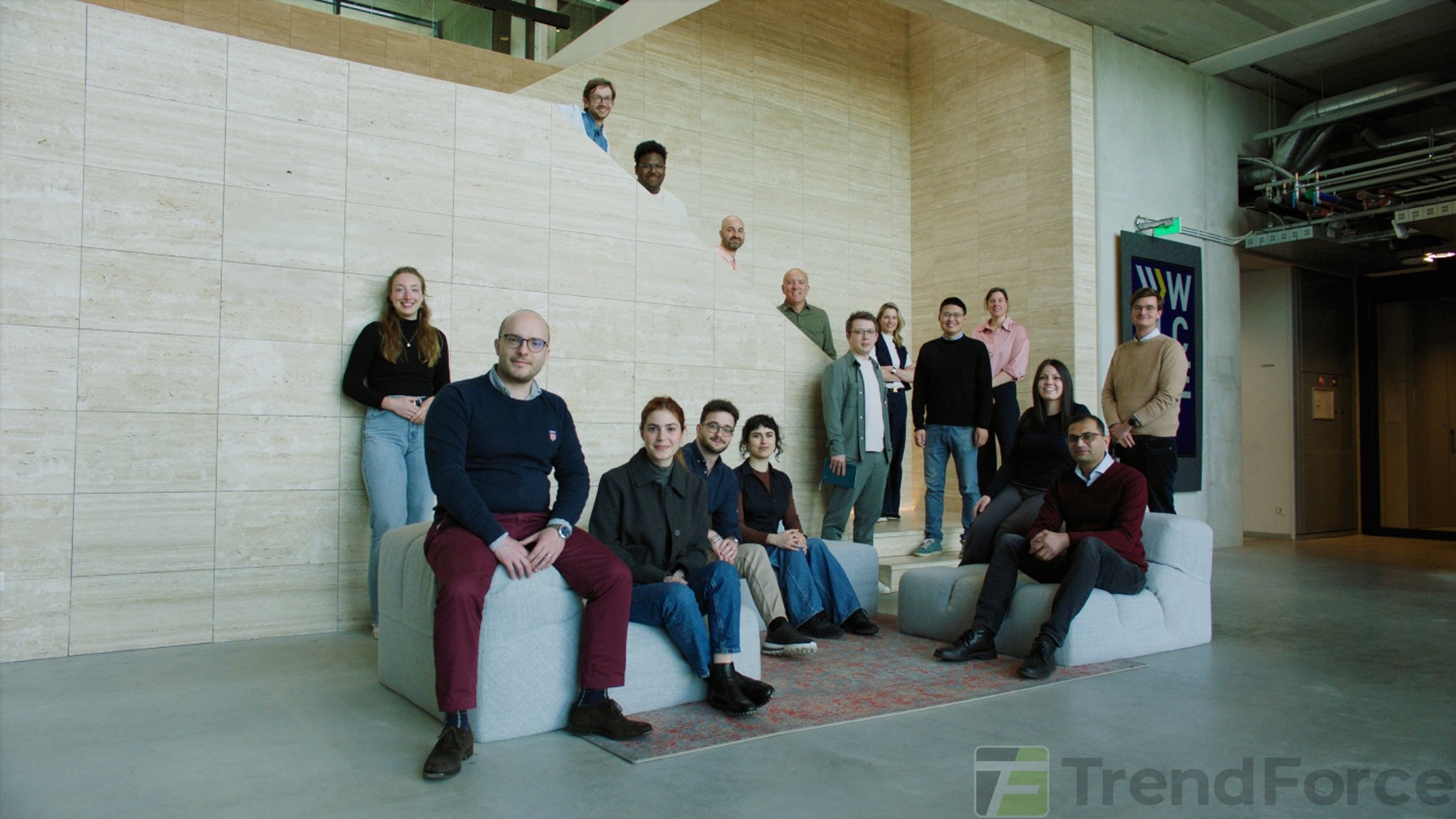
Dr. van de Haar mentioned that the initial product rollout is intended to be global, supported by regional teams in key markets such as the US and Asia.. According to TrendForce, automotive lighting manufacturers are actively optimizing cost structures while accelerating the transition toward high-value digital lighting systems integrated with Software-Defined Vehicles (SDVs) and ADAS platforms. Competition in the Chinese market is particularly intense, driving automakers to adopt new technologies at an accelerated pace. While new product adoption typically takes two to three years on average globally, it often occurs within a single year in China. Consequently, Seaborough is placing a strong emphasis on the Asian and Chinese markets, aiming to deliver premium solutions quickly to the automotive headlight sector.
Author: Joanne Wu, TrendForce
TrendForce 2026 Global Automotive LED Market- Lighting and Display Product Trend
Release Date:
1. PDF (160 Pages)- 30 June 2026
2. EXCEL- 30 June 2026 and 31 December 2026
Languages: Traditional Chinese / English
|
If you would like to know more details , please contact:
|


